
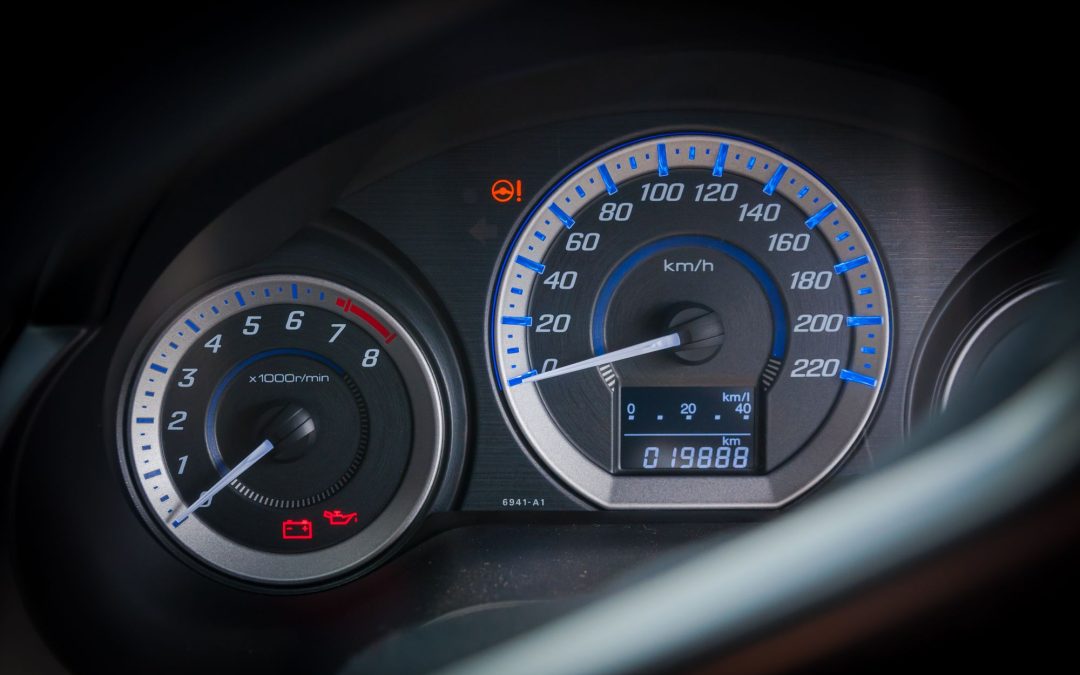
On a cold Colorado Springs morning, a Nissan with hydraulic power steering can feel noticeably stiffer than usual for the first minute or two until the fluid warms up. That’s normal. What’s worth paying attention to is stiffness that doesn’t ease off, a whining or groaning noise on turns, a warning light that wasn’t there yesterday, or steering that feels different from one day to the next without any obvious cause.
The service team at Woodmen Nissan can diagnose and repair both electric and hydraulic power steering systems on any Nissan model. Schedule online or give us a call.
What are the warning signs of a Nissan power steering problem?
Reading the symptom right matters for deciding how quickly to act. Some only appear on one type of system, others can show up on either.
Does your Nissan have electric or hydraulic power steering?
The quickest way to check: open the hood and look for a power steering fluid reservoir, a small cap usually marked with a steering wheel icon near the driver’s side firewall. No reservoir means the car uses electric power steering. Most current Nissan models use electric power steering. Older models and some larger vehicles may still use hydraulic systems.
Electric power steering uses an electric motor at the rack or column to provide assist. There’s no fluid, no pump, and no engine-driven belt. It draws from the 12V electrical system, which is why battery condition matters directly to EPS performance. Hydraulic systems generate assist through fluid pressure from an engine-driven pump and fail in more mechanical ways: leaks, pump wear, and fluid breakdown over time.
The service approach, the parts involved, and the symptoms to watch for are different enough between the two that knowing which system your Nissan has is the starting point for any diagnosis.
How do Colorado Springs winters affect Nissan power steering?
Cold temperatures affect hydraulic and EPS systems in different ways, and both matter in Colorado Springs where overnight lows regularly drop below freezing from November through March.
For hydraulic systems, power steering fluid thickens in cold temperatures. First thing in the morning after a cold night, the pump has to push thicker fluid through the system, which is why steering can feel noticeably heavier for the first minute or two of driving. This is normal and resolves as the fluid warms. If the stiffness takes more than a few minutes to ease, or if it’s gotten more pronounced over successive cold mornings, the fluid may be degraded or the pump may be starting to struggle.
For EPS systems, cold doesn’t thicken any fluid, but it does reduce 12V battery output. A battery that’s losing capacity can drop voltage low enough to affect the EPS motor, which draws from that battery continuously. Cold-related EPS warning lights or intermittent assist loss that clears once the car warms up often points to a battery nearing the end of its service life rather than a fault in the steering system itself.
What does Nissan power steering service involve at Woodmen Nissan?
For hydraulic systems, the technician checks fluid level and condition first. Healthy power steering fluid is clear to light amber. Fluid that has gone dark, cloudy, or carries a burnt smell has broken down and needs replacing. Hoses, seals, and the pump are inspected for leaks, and the belt driving the pump is checked for tension and wear. A pump that’s beginning to fail often makes noise well before it stops working, which is the right time to address it.
For EPS systems, there is no fluid to check. The technician scans the EPS control module for stored fault codes and runs voltage tests to confirm the electrical system is delivering consistent power to the motor. Battery condition is tested as part of this, since low or unstable voltage is a common trigger for EPS faults on current Nissan models, particularly after a Colorado Springs winter. Any sensor calibration needed after steering or suspension work is completed before the vehicle goes back to the owner.
When should you bring your Nissan in for power steering service in Colorado Springs?
A whining noise that appears on turns and doesn’t go away is worth addressing soon. It won’t clear up on its own, and a hydraulic pump making noise is already working harder than it should. Catching it before the noise worsens is consistently cheaper than waiting until the pump stops working.
A warning light with normal steering feel is a soon-but-not-emergency visit. A warning light with steering that’s already heavier than usual is same-day. If the steering is noticeably stiffer on cold mornings but eases within a minute or two of driving, monitor it through the season, but if it starts taking longer to ease or stops easing entirely, bring it in.
If you’ve recently hit a hard pothole on Woodmen Road or a curb hard enough to affect alignment, adding a steering inspection to the follow-up visit is worth doing even without a warning light. Impact damage to the rack or EPS sensors isn’t always obvious right away.
The service team at Woodmen Nissan serves Colorado Springs and the surrounding El Paso County area, including Monument, Fountain, and Black Forest. Schedule online or call the service department directly.