
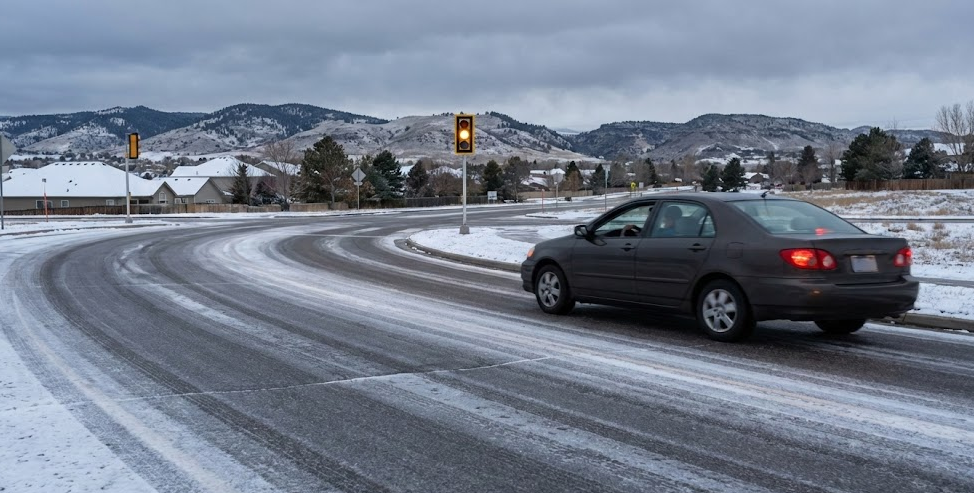
Every year, Colorado Springs drivers face the same question when snowflakes start falling near Pikes Peak: Are all-season tires really good enough? The short answer is no—especially if you regularly drive Woodmen Road, Academy Boulevard, or I-25 during unpredictable winter mornings when temperatures hover around freezing. All-season tires don’t deliver the grip, stopping power, or safety that dedicated winter tires provide when Colorado’s harsh conditions hit. The difference is potentially lifesaving when you’re stopping at a red light on an icy incline or navigating a sudden snowstorm rolling down from the mountains. At Woodmen Nissan Service, the team regularly helps local drivers understand why making the seasonal swap is essential for protecting your family throughout the demanding winter months ahead.
The “All-Season” Myth: Why They Fail When the Temperature Drops
The name “all-season” sounds reassuring, but it’s genuinely misleading when it comes to Colorado winters. All-season tires are designed as a compromise—they work reasonably well in mild conditions but aren’t optimized for extreme cold. The critical issue comes down to rubber chemistry and something called the Glass Transition Temperature. When temperatures drop below 45°F, the rubber compounds in all-season tires begin to harden significantly, losing the flexibility they need to grip the road effectively. Think of it like a hockey puck—hard, rigid, and unable to conform to the surface beneath it. This means that on a typical November morning in Colorado Springs, when temperatures are sitting at 35°F, your all-season tires are already struggling before you even encounter ice or snow.
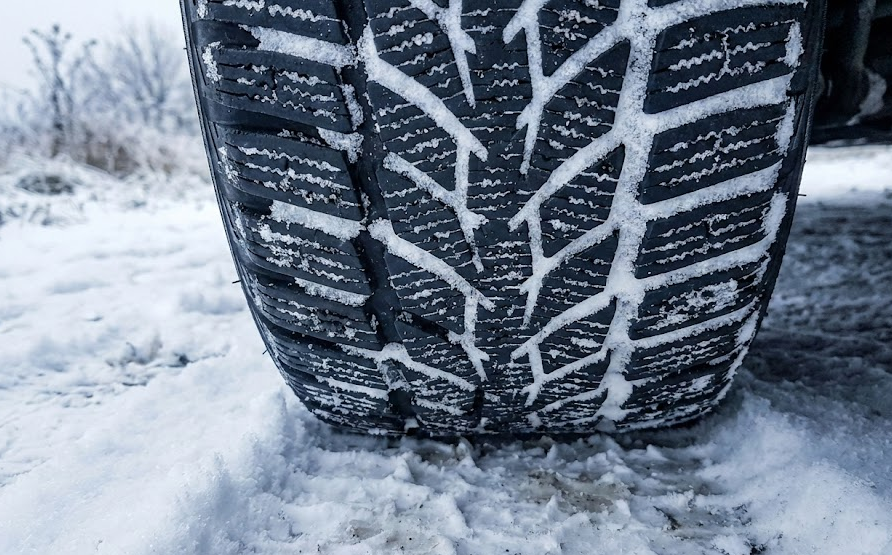
Winter tires are specifically engineered with rubber compounds that stay soft and pliable in freezing temperatures. They maintain flexibility well below 32°F, allowing the tire to grip microscopic irregularities in icy roads. The tread patterns feature thousands of tiny grooves called sipes that create additional biting edges. When heading up to Monument Hill or navigating North End neighborhoods after fresh snowfall, this difference becomes obvious—winter tires give you confidence and control, while all-seasons leave you sliding.
Colorado’s Traction Laws (Code 15 & 16): Are You Legal?
If you’ve driven I-70 toward the ski resorts during winter, you’ve likely seen the electronic signs announcing “Traction Law in Effect.” Many Colorado Springs drivers don’t realize that these laws can directly affect their daily commute—and that not all tires are considered equal under state regulations. Colorado’s Traction Law (Code 15 and Code 16) clearly defines what’s required when conditions deteriorate, and understanding the difference could save you from a ticket or, more importantly, from getting stranded during a winter storm.
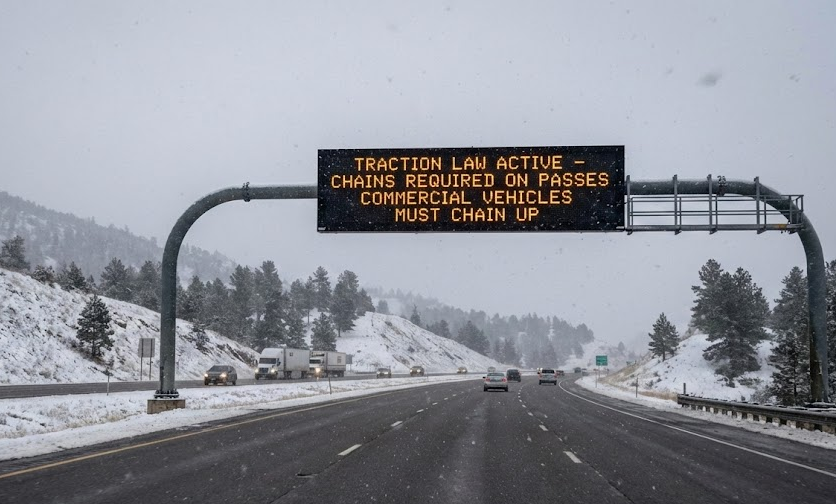
Code 15 requires that all vehicles have either snow tires marked with the M+S symbol for Mud and Snow or carry chains. While this sounds straightforward, here’s the catch: most all-season tires technically have the M+S rating, but that doesn’t mean they actually perform well in snow and ice. Code 16, the Passenger Vehicle Chain Law, is enforced during severe conditions and requires every vehicle—including those with winter tires and 4WD—to have chains or approved alternative traction devices installed. However, for daily winter driving before Code 16 is enacted, you want the Three-Peak Mountain Snowflake symbol. This snowflake symbol—officially called the 3PMSF—indicates that a tire has passed standardized severe snow service testing. It’s the mark you want to see on your tires if you’re serious about winter driving safety. Winter tires almost always carry this symbol, whereas most all-seasons do not.
Stopping Distance: The Metric That Matters Most on Woodmen Road
Here’s a statistic that should immediately grab your attention: at 30 mph, winter tires can stop up to 30 feet shorter on ice compared to all-season tires. That’s roughly two full car lengths—the difference between safely stopping behind the vehicle in front of you and rear-ending them at a busy intersection. For Colorado Springs drivers navigating Woodmen Road during morning rush hour, especially near the busy intersections around Powers Boulevard or Academy Boulevard, this stopping distance advantage is absolutely critical. Imagine you’re heading eastbound on Woodmen Road, approaching a red light on a morning when the temperature is hovering around freezing and the pavement is slick with black ice. With all-season tires, you start braking at what feels like a safe distance, only to realize you’re still sliding forward with no grip. With winter tires, you stop confidently and securely, well before danger strikes.
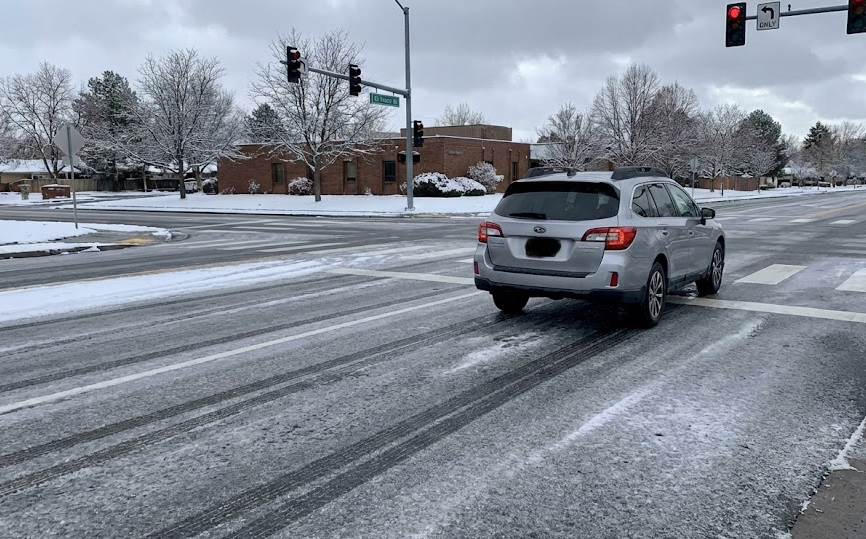
This stopping distance difference isn’t just theoretical—it’s been proven repeatedly by organizations like Consumer Reports and AAA. Winter tires’ softer rubber compounds and aggressive tread patterns provide exponentially more grip, allowing your brakes to work effectively rather than locking up wheels while you slide forward. If you’re concerned about whether your current tires can handle Colorado’s unpredictable winter conditions, it’s smart to inspect your brakes for winter as well—because even the best winter tires can’t help you stop if your braking system isn’t in top condition.
AWD vs. Winter Tires: Why Your 4WD Won’t Help You Stop
There’s a pervasive myth in Colorado Springs that if you drive an all-wheel-drive Nissan Rogue, a 4WD truck, or even a Subaru, you don’t need winter tires. While it’s true that AWD and 4WD systems excel at getting you moving from a stop—particularly helpful when pulling out of a snowy driveway—they do absolutely nothing to help you stop or turn. AWD distributes power to all four wheels, giving you better acceleration when starting from a standstill. But once you’re moving and need to brake or navigate a turn on ice, your drivetrain becomes irrelevant. What matters then is the contact patch between your tires and the road—and that’s entirely determined by your tires, not your vehicle’s drivetrain.
This misconception leads to dangerous overconfidence. AWD drivers assume their vehicle handles braking and cornering as well as acceleration—but that’s not how physics works. When you’re stopping on an icy section of I-25 near Briargate Parkway or turning onto a snowy Rockrimmon side street, your AWD offers zero assistance. Only your tires provide the necessary grip. Pair your AWD or 4WD with proper winter tires, and you’ll have confident acceleration, reliable stopping power, and secure handling.
Cost vs. Safety: Extending the Life of Your Summer Tires
One common objection to buying winter tires is the perceived expense. However, when you break down the economics, winter tires aren’t nearly as costly as they seem. Tires wear based on miles driven, not years owned. If you switch to winter tires for roughly five months yearly (late October through late March), you’re splitting wear between two sets. Your all-seasons last longer being used seven months instead of twelve. Over time, you’re not doubling tire costs—you’re spreading the expense across two sets that each last proportionally longer.

Beyond financial logic, there’s the safety argument, which should outweigh any cost concerns. What’s the value of avoiding a single accident? Even a minor fender-bender can result in repair expenses and insurance increases that far exceed winter tire investment. When driving kids to school on cold mornings or commuting on black ice near Chapel Hills Mall, the extra traction winter tires provide could save lives. At Woodmen Nissan Service, the certified technicians can help you choose winter tires that fit your budget while delivering the safety and performance you need.
When to Swap: The “Halloween to Easter” Rule for Pikes Peak Region
Timing your tire swap correctly ensures you’re protected throughout winter without unnecessary wear during warmer months. A useful guideline for Colorado Springs is the “Halloween to Easter” rule. Install your winter tires in late October or early November and keep them on until late March or early April. This timeframe captures unpredictable early-season October snowstorms and lingering cold snaps that can occur through March or April around Pikes Peak.
The key trigger is temperature, not just snowfall. Winter tires outperform all-seasons once temperatures consistently drop below 45°F, even without snow. Colorado Springs experiences freezing overnight temperatures starting in October, meaning roads can be icy during early morning commutes. When spring arrives and temperatures consistently stay above 50°F, it’s time to schedule your seasonal tire swap back to all-seasons or summer tires.
Winter Tire vs. All-Season Performance Comparison
| Performance Factor | Winter Tires | All-Season Tires |
|---|---|---|
| Rubber Flexibility Below 45°F | Stays soft and pliable | Hardens significantly |
| Stopping Distance on Ice (from 30 mph) | Up to 30 feet shorter | Longer, less predictable |
| Tread Design | Aggressive with thousands of sipes | Moderate grooves, fewer biting edges |
| Three-Peak Mountain Snowflake Symbol | Yes (meets severe snow standards) | Usually no (only M+S rating) |
| Performance in Deep Snow | Excellent traction and control | Adequate at best, often struggles |
What Colorado Springs Drivers Need to Know
Switching to winter tires isn’t just about following regulations or checking a box—it’s about genuinely protecting yourself and your loved ones during Colorado’s unpredictable and often harsh winter months. Here’s what you should keep in mind:
- Temperature Matters More Than Snow: Winter tires outperform all-seasons once temperatures drop below 45°F, even on dry pavement, giving you better grip and shorter stopping distances during cold mornings.
- Legal Requirements Are Evolving: Colorado’s Traction Law enforcement is increasing, and having the Three-Peak Mountain Snowflake symbol on your tires ensures you’re compliant during Code 15 conditions and best prepared before Code 16 chain laws take effect.
- AWD Isn’t a Substitute: All-wheel drive helps you accelerate in snow but does nothing for braking or turning—only proper winter tires can give you control when you need to stop or navigate corners safely.
- Stopping Distance Saves Lives: The ability to stop 30 feet shorter on ice isn’t just a statistic—it’s the difference between avoiding a collision and causing one, especially on busy roads like Woodmen Road and Academy Boulevard.
- Economic Sense: Using winter tires for five months means your all-season or summer tires last significantly longer, spreading the cost over time rather than doubling your expenses.
- Plan Ahead: Swap your tires in late October or early November, before the first major storm hits, and keep them on through Easter to ensure you’re covered during unpredictable spring weather.
At Woodmen Nissan Service, the experienced technicians are equipped to handle all your winter tire needs efficiently and professionally. Whether you need help selecting the right winter tires for your Nissan or scheduling a swap, the team is here to make the process straightforward and stress-free.
Frequently Asked Questions
Q: Can I just use All-Season tires in Colorado Springs?
A: Legally, yes, if they have an M+S rating, but functionally they’re unsafe for freezing mornings, icy hills, and sudden snowstorms. All-season tires harden below 45°F and lack the traction needed for reliable stopping and turning on Colorado’s winter roads.
Q: Do I really need winter tires if I have AWD?
A: Yes. AWD helps you accelerate and get moving in snow, but it does not assist with braking distance or cornering on ice. Only winter tires provide the grip necessary to stop safely and maintain control through turns during winter conditions.
Q: When should I put winter tires on in Colorado?
A: When temperatures consistently drop below 45°F, usually in late October or early November around Halloween. This ensures you’re protected before the first major snowstorm and throughout the entire winter season.
Q: What is the Three-Peak Mountain Snowflake symbol?
A: It’s a certification indicating the tire has passed standardized severe snow service testing, unlike the basic M+S rating. This symbol is required under Colorado’s Traction Law during severe winter conditions (Code 15) and guarantees your tires meet rigorous winter performance standards.
Schedule Your Winter Tire Swap at Woodmen Nissan Service Today
Don’t wait for the first blizzard to find out your tires can’t grip the road. The factory-trained technicians at Woodmen Nissan Service are here to help you prepare for winter with complete winter tire sets, seasonal swaps, or expert advice on which tires best suit your driving needs. With genuine Nissan expertise and state-of-the-art equipment, Woodmen Nissan Service makes protecting your family straightforward and hassle-free.
Colorado’s winter weather waits for no one. Temperatures around Pikes Peak can drop suddenly, and early-season snowstorms often catch drivers unprepared. Getting your winter tires installed now means you’re ready for whatever weather comes, from icy morning commutes on Woodmen Road to unexpected November snowfall. The team at Woodmen Nissan Service ensures your tires are properly mounted, balanced, and aligned for maximum performance and safety all winter long.
Click here to schedule your winter tire consultation and swap today!
Or visit Woodmen Nissan Service at 6840 Vincent Drive Colorado Springs, CO 80918, and let the certified technicians ensure your vehicle is fully prepared for Colorado’s demanding winter conditions.